Touch-Based Therapy May Support Recovery After Neurological Injury

Touch-Based Therapy May Support Recovery After Neurological Injury

Can gentle touch or vibration help the brain and body recover after a stroke or neurological injury?

Clinical research suggests that touch-based therapies, including massage-like stimulation and vibration techniques, may support recovery in people with neurological conditions such as stroke.

Across clinical trials, patients receiving tactile or vibration-based therapy have shown improvements in mobility, muscle tone, and sensory awareness, particularly in the early stages of rehabilitation.

Researchers believe these effects may be linked to increased sensory input to the nervous system, which can help the brain re-establish movement patterns.

Overall, early evidence suggests that touch-based interventions may be a helpful supportive tool in neurological recovery, but more large-scale studies are needed to confirm long-term benefits.

And, as a massage therapist, you must protect yourself; only the best massage therapist insurance coverage will do!

The American Massage Council offers the most affordable and reliable professional liability insurance for massage therapy coverage and more.

Share:

More Posts

Massage therapist standing confidently beside a shield with text about protecting a massage clinic, therapists, and reputation

How to Protect Your Massage Clinic, Therapists & Reputation

Protecting a massage clinic takes more than professional liability insurance. Consistent client intake, informed consent, accurate documentation, therapist training, equipment checks, incident procedures, and appropriate coverage can help reduce preventable risk. Learn how a practical risk-management system can protect your therapists, your business, your clients, and your professional reputation.

Massage therapist considerations for injuries involving pre-existing conditions

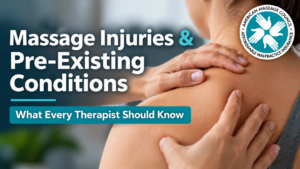
Massage Injuries and Pre-Existing Conditions: What Therapists Should Know

Pre-existing conditions can complicate massage therapy and create additional safety and liability considerations. Learn how thorough intake, client communication, informed consent, appropriate treatment decisions, documentation, professional scope, and liability insurance can help massage therapists manage risk when a client reports an existing injury, chronic condition, or other health concern.

Massage clinic client complaint risk and liability insurance

Can One Client Complaint Put Your Massage Clinic at Risk?

A client complaint does not automatically mean a massage therapist was negligent. However, a complaint can trigger questions about documentation, consent, professional conduct, insurance coverage, and regulatory obligations. Learn how massage clinics can prepare for complaints, reduce preventable risk, and understand the role of professional liability insurance.

Massage therapist treating a client's shoulder while discussing massage therapy injuries and safety

Massage Therapy Injuries: What Massage Therapists Need to Know

Massage therapy is generally considered low risk, but injuries can still occur. Learn the common risks massage therapists should recognize, how client screening and safe technique can reduce them, and why documentation and professional liability protection matter.

Sign up for more exclusive news

American Massage Council

The application process is very important to AMC. In order to maintain the best rate possible we ask a few questions that help us to best determine the risk. These few questions can end up saving you money and time spent on an unfounded claim.

New Member Application

PDF New Member Application

Member Renewal Application

Other Applications

Latest Massage Information

Get notified of our latest posts