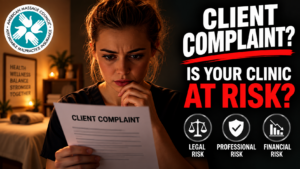
A single client complaint can create unexpected challenges for a massage therapy business. An allegation of injury, a disagreement about treatment, or an accident at your clinic may raise questions about professional conduct, documentation, insurance, and legal responsibility.
Malpractice insurance for massage therapists can help protect a practice against covered professional liability claims. However, insurance works best as part of a broader risk-management plan that includes informed consent, appropriate client screening, accurate treatment notes, staff training, and clear procedures for handling incidents.
Here is how insurance fits into a practical plan for protecting your massage business, your professional reputation, and the clients who trust your services.
How Does Malpractice Insurance Protect a Massage Business?
Professional liability insurance, commonly called malpractice insurance, is designed to address covered claims alleging professional negligence or errors in the delivery of services. For a massage therapist, a claim might involve an allegation that a treatment caused an injury or that the therapist failed to provide services with appropriate professional care.
Even when a therapist disputes an allegation, responding to a claim can require time, documentation, and legal assistance. Depending on the policy, insurance may help pay covered defense expenses and other covered amounts, subject to the policy’s terms, conditions, limits, and exclusions.
For an independent massage therapist or clinic owner, this protection can be an important part of financial risk management. It can help the business prepare for certain unexpected costs rather than face every covered liability expense entirely on its own.
Insurance does not guarantee that a claim will be dismissed, prevent a lawsuit, or compensate the business for every financial loss. Its actual protection depends on the policy and the circumstances of the claim.
What Types of Liability Should Massage Therapists Consider?
Different incidents can involve different forms of liability. Understanding the distinctions can help you identify the coverage questions to ask when reviewing a policy.
Professional liability
Professional liability addresses covered allegations related to the professional services you provide. Examples may include claims involving an alleged treatment-related injury, inappropriate technique, or failure to exercise appropriate professional care. Whether a particular allegation qualifies for coverage depends on the policy language and facts of the claim.
Premises liability
A client or visitor might slip on a wet floor, trip over equipment, or sustain an injury in your business premises. These incidents raise different questions from allegations about massage technique. Review whether your policy includes premises liability and what locations and circumstances it covers.
Product-related liability
Oils, lotions, and other products used during a session may present separate liability considerations. Ask whether your policy includes product liability and whether its provisions apply to the products and activities associated with your practice.
The American Massage Council policy overview describes its listed coverages, including professional liability, premises liability, product liability, and other protections. Read the current policy and applicable endorsements to understand the actual scope of coverage.
What Does American Massage Council Coverage Include?
American Massage Council (AMC) publishes information about its massage therapist liability insurance program, including coverage limits and the types of protection available.
According to AMC’s published policy information, its program lists the following features:
- Professional liability: Coverage for qualifying professional liability claims, subject to policy terms.
- Premises liability: Listed protection for certain premises-related incidents, including slip-and-fall claims.
- Product liability: Included in the published program description.
- Good Samaritan liability: Listed as an included coverage.
- Personal and advertising injury liability: Listed as an included coverage.
- Defense expenses: AMC describes defense outside the limits of liability in its published policy highlights. Confirm the applicable provisions in the policy documents.
AMC’s policy page lists professional liability limits of $2 million per occurrence and $6 million aggregate, with a $1 million per occurrence and $3 million aggregate option also listed. These are published program details, not a guarantee that a particular claim will qualify for coverage or that every listed feature applies identically in every circumstance.
Before applying or renewing, review the current policy, applicable endorsements, coverage options, and any conditions relevant to your practice. You can begin with AMC’s official policy information and policy highlights.
Why Insurance Alone Is Not Enough
Insurance addresses certain financial consequences of covered claims. It does not replace safe practice, professional judgment, informed consent, or compliance with applicable laws and professional requirements.
A well-managed massage clinic combines appropriate coverage with procedures that help staff identify concerns, communicate clearly, and respond consistently when something goes wrong.
1. Screen clients appropriately
Use an intake process to gather relevant health history, current concerns, treatment goals, and information that may affect the suitability of massage. Update the information when circumstances change, and ask follow-up questions when necessary.
If a client reports symptoms or a condition that falls outside your competence or raises a safety concern, modify or postpone the session as appropriate and refer the client to a qualified healthcare professional when indicated. Do not diagnose conditions outside your scope of practice.
2. Obtain informed consent
Explain the planned service, expected approach, relevant risks, and reasonable alternatives in language the client can understand. Give the client an opportunity to ask questions and decline or modify treatment.
Document consent according to your clinic’s procedures and applicable professional requirements. A signed form supports communication, but it does not eliminate professional responsibility or automatically prevent a liability claim.
3. Maintain accurate treatment notes
Document relevant assessment information within your lawful scope, the client’s stated goals, the agreed treatment plan, techniques or areas addressed, consent discussions when relevant, and significant responses or changes.
Keep records factual, timely, secure, and consistent with applicable privacy and recordkeeping requirements. Never alter or backdate notes to make an incident appear different from what occurred.
4. Train staff and maintain equipment
Establish consistent procedures for client communication, consent, draping, hygiene, equipment use, and incident reporting. Provide appropriate staff training and maintain massage tables, supports, and other equipment according to manufacturer guidance.
Review procedures when you introduce a new service, change equipment, or identify a recurring safety concern.
5. Create an incident-response procedure
Make sure every therapist knows whom to notify and what to document if a client reports an injury, experiences an unexpected reaction, or raises a serious complaint.
Respond professionally, address any immediate safety concern, and document the facts without speculation. Preserve relevant records and communications. Avoid assigning blame, making unsupported admissions, or promising payment or coverage outcomes.
If an incident could lead to an insurance claim, follow the policy’s reporting requirements and contact the appropriate insurer or administrator promptly. Do not assume that a verbal complaint is too minor to report; your policy may specify when and how potential claims or incidents must be reported.
How Should You Review Your Massage Insurance Policy?
Do not evaluate insurance solely by its advertised limits or premium. The details determine how a policy may respond to a particular situation.
Use this checklist when reviewing coverage for your practice:
- Are the professional services and massage modalities you provide eligible for coverage?
- Does the policy address your practice setting, including a clinic, rented room, or mobile service, as applicable?
- What per-occurrence and aggregate limits apply?
- How does the policy handle defense expenses, deductibles, exclusions, and other applicable conditions?
- Are premises liability and product liability included, optional, or subject to separate conditions?
- Do specialized modalities require an addendum, underwriting approval, or additional documentation?
- Are additional insureds or business property protections relevant to your needs?
- What deadlines and procedures apply to reporting incidents and potential claims?
- When does coverage begin, and what must you do to maintain it at renewal?
For example, AMC notes that hot stone massage requires a separate addendum and underwriting assessment. Therapists offering this modality should verify the applicable requirements before assuming it is covered.
Ask the insurer or program administrator to clarify any provision you do not understand. If you operate a clinic with multiple therapists, verify how the policy applies to the business, individual practitioners, and any other parties whose coverage you need.
How Can You Protect Your Business and Professional Reputation?
Your reputation depends on more than how you respond to a complaint. Clients also notice how clearly you explain treatment, respect their choices, maintain professional boundaries, and handle concerns.
A consistent risk-management process helps your team respond to problems without improvising. It also gives you a clearer way to identify gaps in training, documentation, communication, and insurance protection.
Review your procedures regularly, keep training current, and reassess coverage when your services, staff, premises, or business arrangements change. Insurance should evolve with your practice rather than remain an unchecked annual expense.
Frequently Asked Questions
Does malpractice insurance cover every client complaint?
No. A complaint does not automatically qualify as a covered claim. Coverage depends on the allegations, circumstances, policy wording, exclusions, limits, and applicable reporting requirements. Review your policy and contact the appropriate insurance representative when a concern arises.
Is professional liability the same as premises liability?
No. Professional liability generally concerns allegations related to professional services. Premises liability concerns certain injuries or incidents connected to property or premises. A policy may address both, but the terms and conditions differ.
Can informed consent prevent a malpractice claim?
Informed consent helps establish clear communication about treatment, risks, and client choices. It cannot guarantee that a claim will not occur or eliminate professional responsibility. Use consent as part of an ongoing communication and documentation process.
What should I do if a client reports an injury after a massage?
Address any immediate safety concerns, respond professionally, document the facts, preserve relevant records, and follow your clinic’s incident procedures. If the event could involve insurance, follow the policy’s reporting instructions and seek appropriate guidance. Refer the client for medical evaluation when warranted, without attempting to diagnose beyond your professional scope.
Where can I check American Massage Council coverage details?
Start with the AMC policy overview and policy highlights. For questions about specific circumstances, contact AMC through its official contact page.
Protect Your Practice With a Complete Risk-Management Plan
Malpractice insurance can be an important safeguard for massage therapists and business owners, but it works alongside—not instead of—responsible professional practice.
Start by reviewing your current policy, identifying the services and risks associated with your business, and strengthening your procedures for intake, informed consent, documentation, training, and incident reporting.
If you are considering coverage or need clarification about AMC’s program, visit the American Massage Council policy page or contact AMC for assistance.
Disclaimer: This article provides general educational information, not legal, insurance, or individualized healthcare advice. Coverage depends on the applicable policy wording, endorsements, exclusions, conditions, and facts of a claim. Consult the insurer or qualified professional for guidance specific to your situation.