The Importance of Patient Informed Consent

The Importance of Patient Informed Consent

Can implementing massage client informed consent procedures protect you and your massage therapy business?

Informed consent is the process in which a healthcare provider educates a patient/client about the risks, benefits, and alternatives of a given procedure or intervention.

Massage therapists should always obtain written, informed consent from every client before providing massage therapy services for the client.

This consent should be obtained before the initial client assessment, and updated if there is a change in the treatment plan.

While massage therapy is generally very safe, even the most careful massage therapist will have some clients who do not respond well to care. 

Properly using Informed consent is a valuable procedure to protect the massage client, you, and your massage business.

And remember, as a massage therapist, you must protect yourself; only the best massage therapist insurance coverage will do!

The American Massage Council offers the most affordable and reliable professional liability insurance for massage therapy coverage and more.


Share:

More Posts

Massage therapist and professional liability insurance protection for massage therapy practice

Does Every Massage Therapist Need Malpractice Insurance?

Massage therapists may need malpractice insurance to meet state licensing requirements, employer contracts, or professional obligations. Even when it is not legally required, individual coverage can help protect against covered liability claims. Learn how employment status, independent practice, and policy exclusions affect your insurance needs.

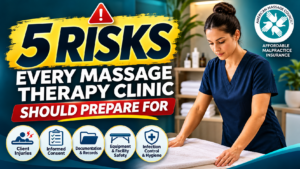
Massage therapist preparing a treatment room, illustrating five risks every massage therapy clinic should prepare for, including client injuries, informed consent, documentation, equipment safety, and infection control.

5 Risks Every Massage Therapy Clinic Should Prepare For

Massage therapy clinics face risks involving client injuries, inadequate documentation, informed consent, equipment failures, and infection control. Learn five practical ways to protect your clients, therapists, business operations, and professional reputation while understanding how appropriate massage therapist liability insurance fits into a comprehensive clinic risk-management strategy.

Massage therapist beside graphics representing negative online reviews and professional responses.

Responding to Negative Reviews the Right Way

Learn how massage therapists can respond to negative online reviews without escalating conflict or disclosing confidential client information. This practical guide includes a professional response template, advice on handling unfair or potentially fake reviews, steps for documenting complaints, and guidance on building a credible online reputation while protecting your practice.

Sign up for more exclusive news

American Massage Council

The application process is very important to AMC. In order to maintain the best rate possible we ask a few questions that help us to best determine the risk. These few questions can end up saving you money and time spent on an unfounded claim.

New Member Application

PDF New Member Application

Member Renewal Application

Other Applications

Latest Massage Information

Get notified of our latest posts